
Classic puzzle games like Tetris and Minesweeper defined the genre
Published October 5, 2026
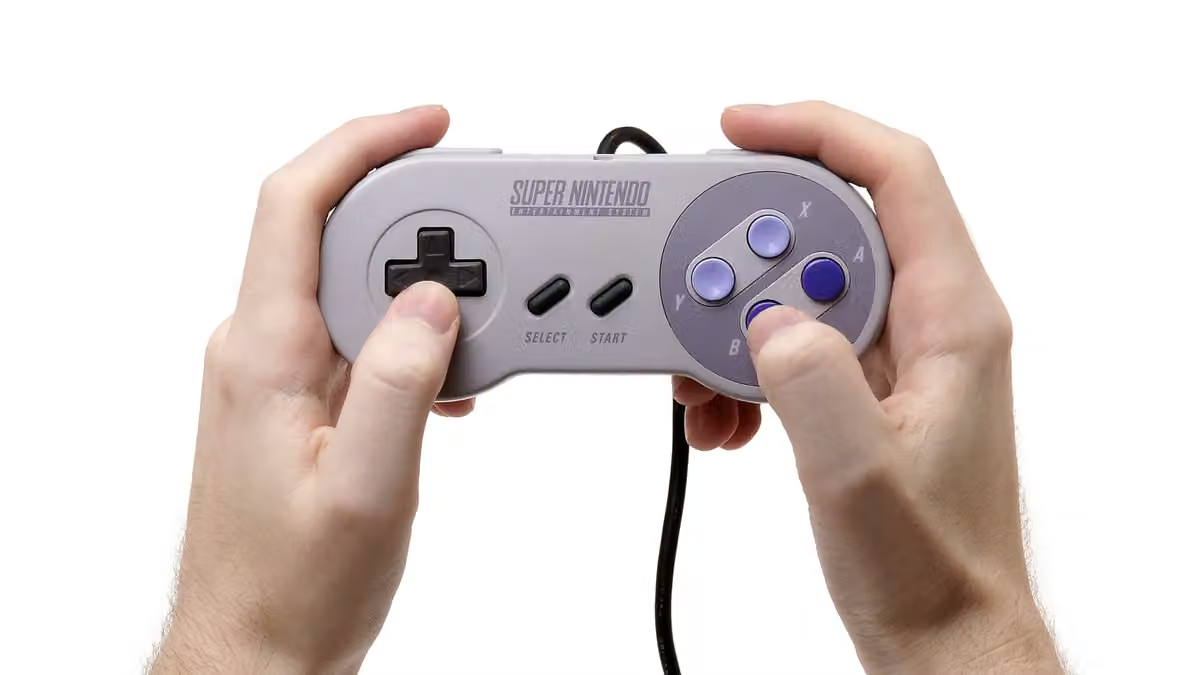
Classic puzzle games like Tetris and Minesweeper defined the genre.
That sounds clean, almost too clean. But the short version is true. These games did not just fit the puzzle label. They helped make the label feel real to a lot of players.
Tetris gave the genre a fast, simple shape. You move falling pieces, make full lines, and keep going until the screen wins. That is easy to explain in one breath, which matters more than it sounds. A puzzle game has to teach its rules fast. Tetris does that with almost rude efficiency.
Minesweeper works in a different way, but it is just as clear. You click a square, read a number, and use that clue to avoid hidden mines. It turns logic into a neat little grid problem. No story needed. No long setup. Just a board, a rule set, and a lot of nervous clicking.
That is part of why these two games lasted. They are simple, but not shallow. A new player can understand the rules quickly. A better player starts to see patterns, risk, and timing. That mix is the whole trick. A good puzzle game should feel small at first and deeper after a minute.
For web game history, this matters because so many browser puzzle games copied that same shape. Clear rule. Short session. Quick restart. Small score chase, or no score at all. That is the design sweet spot for the web. It fits a tab. It fits a lunch break. It fits the old habit of “one more try,” which has ruined many tidy plans.
Tetris also helped define the idea that a puzzle game could be about movement, not just thought. The pressure comes from speed as much as logic. The player is solving and reacting at the same time. That balance became a model for later games that wanted tension without a lot of extra art, text, or systems.
Minesweeper pushed a different lesson. It showed that a puzzle could live inside plain tools and still hold attention. On many computers, it was right there. No long install. No big promise. Just a grid and a lesson in careful reading. That low-friction setup helped make puzzle play feel normal, even ordinary, which is one reason it spread so far.
There is a small catch here, and it is worth saying plainly. “Defined the genre” is a strong phrase, and the genre was never built by only two games. Other older puzzle games helped shape it too, from block matching to deduction games and tile-based logic. Tetris and Minesweeper became the most visible touchstones, but they were part of a wider line, not the only roots.
Even so, they became reference points because they are easy to remember and hard to confuse. If someone says “classic puzzle game,” many players picture falling blocks or a minefield grid before anything else. That is history doing its blunt little job. The most famous examples become the map.
For preservation, that is useful. A preserved puzzle game does not need a huge story to matter. It needs clean rules, a fair challenge, and enough spark to make another round feel worth it. Tetris and Minesweeper still matter because they show how little a game can need, and how much that little can hold.
That is the part I keep coming back to. Classic puzzle games defined the genre because they made the genre legible. They taught players what puzzle play could be in a form that still feels sharp today. Old art, yes. Old interface, often yes. But the core idea is still plain and solid.
The Continue Screen likes this kind of history because it gives small games their due. A browser-game discovery can be modest and still matter, and the odd history behind it is often the best part.