
Browser horror classics rely on audio cues
Published September 18, 2026
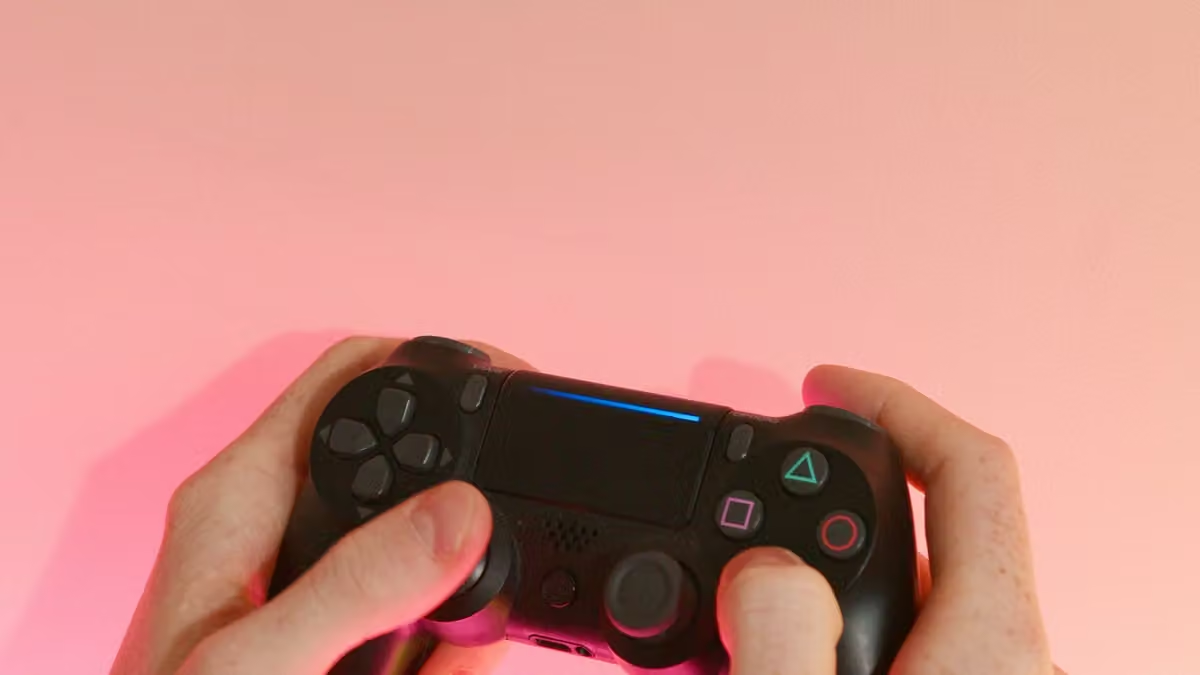
Browser horror classics rely on audio cues. That is the short answer, and it is the right one. In this kind of game, sound does a lot of the work that better graphics cannot.
That matters because browser horror often had little room to waste. Old web games had small screens, plain art, and fast load times. So the scare had to land through what the player heard as much as what the player saw. A door creak, a breath, a step behind the player, or a sudden shift in music could do more than a dark hallway ever could.
I keep coming back to how practical this is. Horror in the browser is often about limited tools. When a game cannot lean on huge scenes or long cutscenes, it uses sound as a signal. Audio tells the player when danger is near, when to move, and when to freeze. It is a simple trick, but it is a strong one.
This is also why headphones changed the feel of so many web horror games. Stereo sound can make a noise seem like it is coming from the left, right, or behind the player. That gives even a small browser game a sharper sense of space. The art may be rough. The sound can still feel close.
There is a plain design reason for this. Horror works best when the player is unsure. Sound is good at that job because it can warn without showing too much. A game can keep the screen quiet and still make the player tense. A small audio cue can become a big clue. A small pause can become a threat.
Browser horror classics also tend to use sound as part of the puzzle. Some games hide key events in tone shifts or repeated noise. Others use footsteps, static, or a sudden silence to show that something has changed. The player is not only looking for clues. The player is listening for them. That is a neat fit for browser play, where many games were built around fast, direct feedback.
The old web helped this style in a strange way. Flash-era games often had simple visuals, but they could still carry sound files, loops, and short effects. That made audio cheap to use and easy to repeat. In horror, repetition can be useful. It builds habit first, then breaks it. When the same sound means safety for a while, the game can twist that expectation later. Cheap, in the best sense of the word.
There is also a preservation angle here. A browser horror game can lose a lot if its sound does not work right. That is the hard part of revisits now. Some old games were built for a very specific setup, and modern browsers do not always handle them the same way. Emulation tools can help, but not every game behaves well, and no one should pretend they do. Audio timing, looping, and layered effects can all be touchy.
That is the honest limit with browser horror classics. The idea is clear, but the experience is not always stable. A game that once felt sharp may now feel flat if the sound is missing or off. A game may still be interesting as a piece of web history, but its scare depends on more than its art. If the audio is weak, the whole thing can lose its grip.
Still, the core lesson holds. Browser horror classics rely on audio cues because sound lets small games do big work. It gives them direction, tension, and surprise without needing a huge budget or a fancy engine. That is why these games keep earning another look. Not because they are loud, but because they know when to be quiet.
That is the sort of odd little web-game truth The Continue Screen likes to keep in view. A small, playful note, a browser-game discovery, and a strange old trick that still works when the sound is right.