
Browser games run directly in your web browser without downloads
Published September 28, 2026
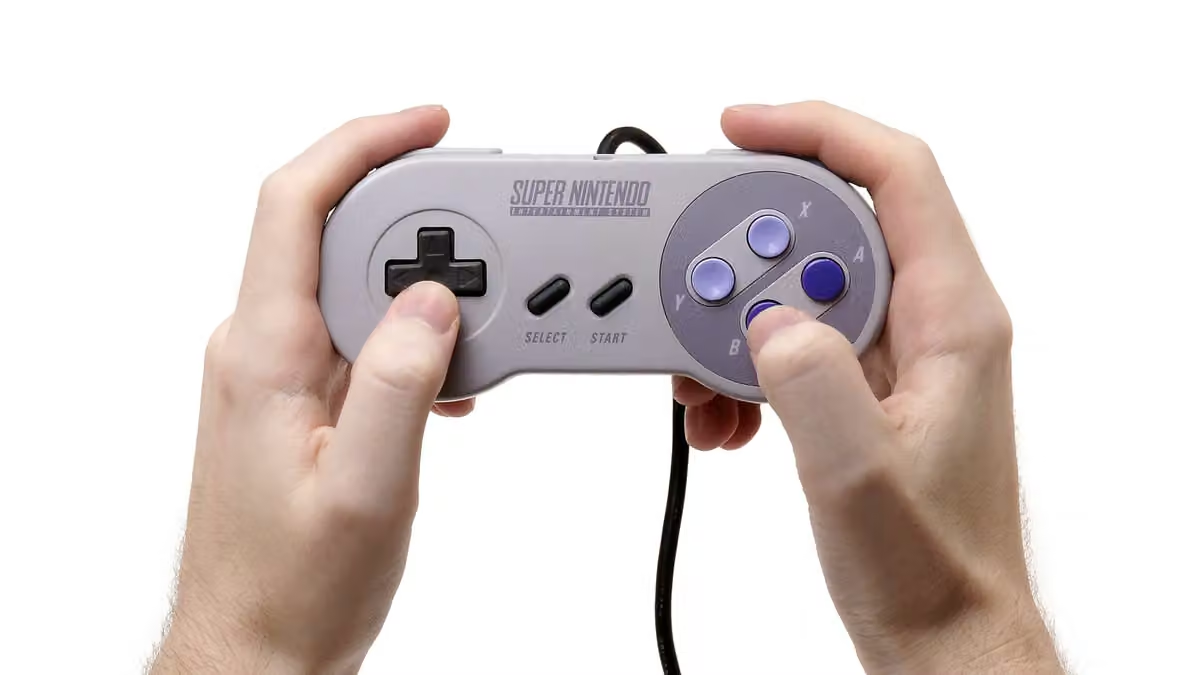
Browser games run directly in your web browser without downloads. That is the whole trick, and it is still a useful one.
I like that the answer is so plain. A browser game opens in a tab. It does not ask for a full install. It does not need a launcher sitting on the desktop like a guest who forgot to leave. You click, wait a moment, and the game appears.
That simplicity is the point. For classic web games, the browser was never just a display window. It was the place where the game lived. A lot of older web games were built to load fast, start fast, and get out of the way of the play. That still matters now, because a short wait can be the difference between a quick try and no try at all.
The player gets one important thing right away: low friction. If the game is made well, the first move is easy. There is no long setup and no heavy prep. That makes browser games feel direct in a way many bigger games do not. A small game can still have a strong hook when it starts cleanly and gets to the challenge at once.
That is also why browser games suit revisits so well. Old web games often relied on a simple loop, a clear score chase, or a small puzzle that rewards one more round. That kind of design can age better than people expect. It does not need huge systems to earn a second look. It only needs a reason to return, and a browser tab is still one of the easiest places to do that.
There is another reason these games keep hanging around. Modern browser tech can still run many web games directly, especially those made in HTML5 or with similar web tools. Older Flash-era games are a little messier. Some can be brought back through emulation tools, but that is not a cure-all. Flash support is not the same as perfect support, and some older games still show glitches or do not behave the way they once did.
That is the honest limit here. “Browser game” sounds simple, but the history behind it is not. Some games were built for old browser plug-ins that are now gone. Some were made for newer web standards and still work well. Some sit in between, half preserved and half stubborn. The result is a useful but uneven field.
So the phrase “web browser game” usually means a game that runs in the browser itself. No separate download is needed to start playing. That is the main fact a reader needs. The rest is in the details of how the game was built, what it depends on, and whether current browser support still holds up.
I also think that plain setup changes how a game feels. A browser game can seem small at first glance. That is fair. But small is not the same as slight. Some of the best web games make a fast first impression and then keep pulling the player back with clean rules and a smart twist. The browser is part of that pitch. It says the game does not need extra ceremony.
That said, the browser can only do so much. A game that depends on old plug-ins, unusual scripts, or dated web tricks may not behave today the way it once did. Compatibility can change with the browser itself. A game that worked yesterday may need a different browser, a different version, or a preservation layer. That is part of the odd history of web games. They are easy to start, but not always easy to keep alive.
Still, the basic appeal has not changed. Browser games ask for little and give back quickly. They are easy to sample, easy to revisit, and easy to share in a way many full installs are not. That helps explain why the form keeps coming back, even after all the big shifts in game hardware and game stores.
I am drawn to the fact that this is still a good answer in 2026. Not because every browser game is equal, and not because every old title survives intact. It is because the core idea still works. A game in a tab is a small promise. It says: no download, no wait, just play.
That is the whole shape of it for a Classic Game Revisits reader. Browser games run directly in your web browser without downloads, and that simple rule is still the reason they matter. The best ones leave room for a clear challenge, a small surprise, and maybe one more try before the tab is closed.
That is the kind of note The Continue Screen likes to keep nearby: a small, playful reminder that a browser game can still be worth the click, and that the odd history behind it is often part of the charm.